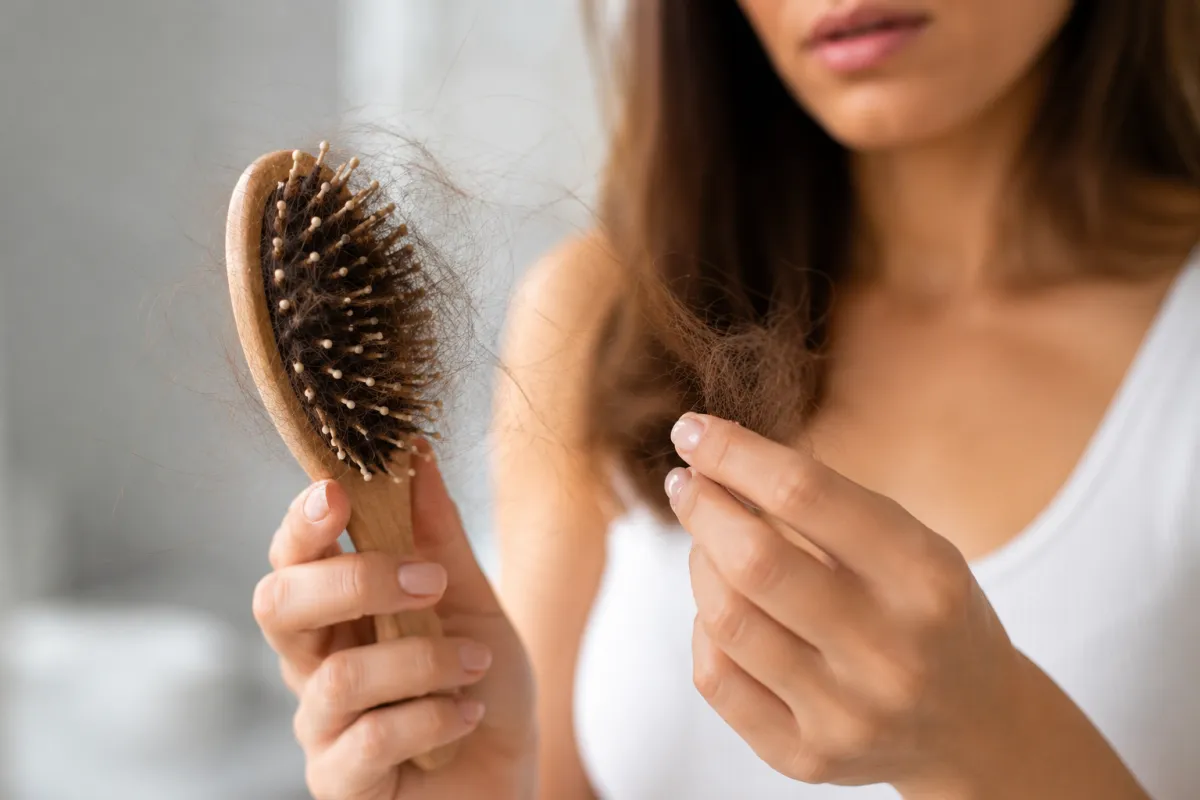
Loosing weight AND loosing hair?
Understanding Hair Shedding After GLP-1 Weight Loss
Weight loss should make you feel healthier—not worried about your hair.
For many people, medications such as Ozempic®, Wegovy®, Zepbound®, and Mounjaro® have been life-changing. Significant weight loss can improve blood sugar, reduce cardiovascular risk, relieve joint pain, and boost confidence.
But for some people, there's an unexpected side effect they notice a few months into their journey:
More hair in the shower. More hair in the brush. A ponytail that feels thinner than it used to.
If this sounds familiar, you're not alone—and the good news is that in most cases, this type of hair shedding is temporary and treatable. At Riviera Aesthetic, we specialize in diagnosing the cause of hair loss and creating personalized treatment plans that help patients recover healthy, fuller hair.
Why does hair loss happen after significant weight loss?
Hair follicles are surprisingly sensitive to changes happening elsewhere in the body.
Rapid weight loss places the body under significant physiological stress. At the same time, reduced calorie intake can temporarily lower the availability of nutrients and energy needed for normal hair growth.
When this happens, many hair follicles enter their resting phase earlier than they normally would.
Approximately 2–4 months later, those hairs begin to shed.
This condition is calledtelogen effluvium, and it is one of the most common causes of sudden, diffuse hair shedding.
Importantly, this does not mean the hair follicles are permanently damaged.
In most healthy individuals, the follicles remain alive and capable of producing new hair once the body has adjusted.
Is it the medication or the weight loss?
Current research suggests that the increased shedding seen with GLP-1 medications is usually related to:
rapid weight loss
reduced caloric intake
nutritional deficiencies
the physiological stress of major body changes
rather than a direct toxic effect of the medication on the hair follicle.
In other words, people who lose a similar amount of weight through bariatric surgery or very restrictive diets can experience the same phenomenon.
When does shedding usually begin?
Most patients notice increased shedding approximately:
2–4 months after rapid weight loss begins
shedding may continue for several weeks or months
regrowth often begins once the body stabilizes
Because hair grows slowly—roughly half an inch (about 1 cm) each month—it usually takes several months before new density becomes noticeable.
Patience is important, but that doesn't mean you should simply wait and hope for the best.
Why early treatment matters
Although telogen effluvium is usually temporary, it can uncover another very common condition that many people didn't realize they already had:
Androgenetic alopecia
Also known as:
male-pattern hair loss
female-pattern hair loss
Many adults have a genetic predisposition to gradual follicle miniaturization.
Normally this happens so slowly that people barely notice it.
However, when a large number of healthy hairs shed at once because of telogen effluvium, the underlying genetic thinning suddenly becomes much more noticeable.
Instead of returning to the same fullness as before, recovery may be slower or incomplete unless both conditions are addressed.
This is why early evaluation is so valuable.
The sooner we identify whether there is an underlying genetic component, the sooner we can begin treatments that protect vulnerable follicles while the temporary shedding resolves.
What happens during an evaluation?
Hair loss isn't a one-size-fits-all diagnosis.
At Riviera Aesthetic, we begin by determiningwhyyou're losing hair.
Your consultation may include:
detailed medical history
review of recent weight loss
scalp examination
digital trichoscopy to examine hair follicles at high magnification
assessment for signs of androgenetic alopecia
discussion of nutrition, medications, stress, and overall health
Only after identifying the cause do we recommend treatment.
Treatment options
Treatment depends on your individual diagnosis but may include:
Platelet-Rich Plasma (PRP)
PRP uses concentrated growth factors from your own blood to stimulate healthier follicle activity and support regrowth.
It is particularly useful for patients who also have androgenetic alopecia.
Prescription medications
Depending on your situation, medications may help reduce ongoing follicle miniaturization and preserve existing hair.
Nutritional optimization
Low iron, protein deficiency, zinc deficiency, vitamin D deficiency, or other nutritional issues can contribute to prolonged shedding.
Correcting these deficiencies can support recovery.
Medical-grade topical therapies
Evidence-based topical treatments may improve scalp health and encourage stronger hair growth.
Low-Level Laser Therapy (LLLT)
Laser therapy can stimulate cellular activity within hair follicles and is often used alongside other treatments.
Should I stop taking my GLP-1 medication?
For most people, no.
If your medication is helping improve your health, hair shedding alone is usuallynota reason to discontinue treatment.
Instead, the goal should be to:
identify the cause of shedding
support healthy regrowth
treat any underlying hair loss conditions
optimize nutrition during weight loss
Always discuss medication decisions with the healthcare provider managing your weight-loss treatment.
The outlook is usually very good
The reassuring news is that telogen effluvium caused by rapid weight loss is usually reversible.
Most people will begin growing new hair once their body adapts to its new weight and nutritional status.
However, if you have an underlying tendency toward male- or female-pattern hair loss, addressing it early can make a significant difference in preserving long-term hair density.
Frequently Asked Questions
How much hair loss is normal after weight loss?
Some increased shedding can occur after rapid weight loss. If you're noticing large amounts of hair coming out daily or visible thinning, it's worth having your scalp evaluated.
Will my hair grow back?
In most cases of telogen effluvium, yes. Hair follicles are usually not permanently damaged.
Does everyone taking Ozempic or Wegovy lose hair?
No. Many patients experience no noticeable hair changes at all.
Can PRP help?
For many patients—particularly those with underlying androgenetic alopecia—PRP can be an excellent addition to a comprehensive treatment plan.
When should I seek help?
If shedding has continued for more than six to eight weeks, if you notice widening of your part, thinning at the temples or crown, or if you have a family history of hair loss, it's a good idea to schedule an evaluation sooner rather than later.
Concerned about hair shedding after weight loss?
If you've recently lost a significant amount of weight and are noticing increased shedding, don't assume you simply have to live with it.
Early evaluation can determine whether you're experiencing temporary telogen effluvium, uncover an underlying pattern of genetic hair loss, and identify treatments that may help preserve and restore your hair.
At Riviera Aesthetic, we combine advanced scalp analysis with evidence-based medical treatments to create personalized hair restoration plans designed around your individual needs.
Schedule a consultation today and let us help you protect both your health and your hair.